.avif)

Why Every Homeowner Needs a Post Storm Home Systems Inspection Checklist
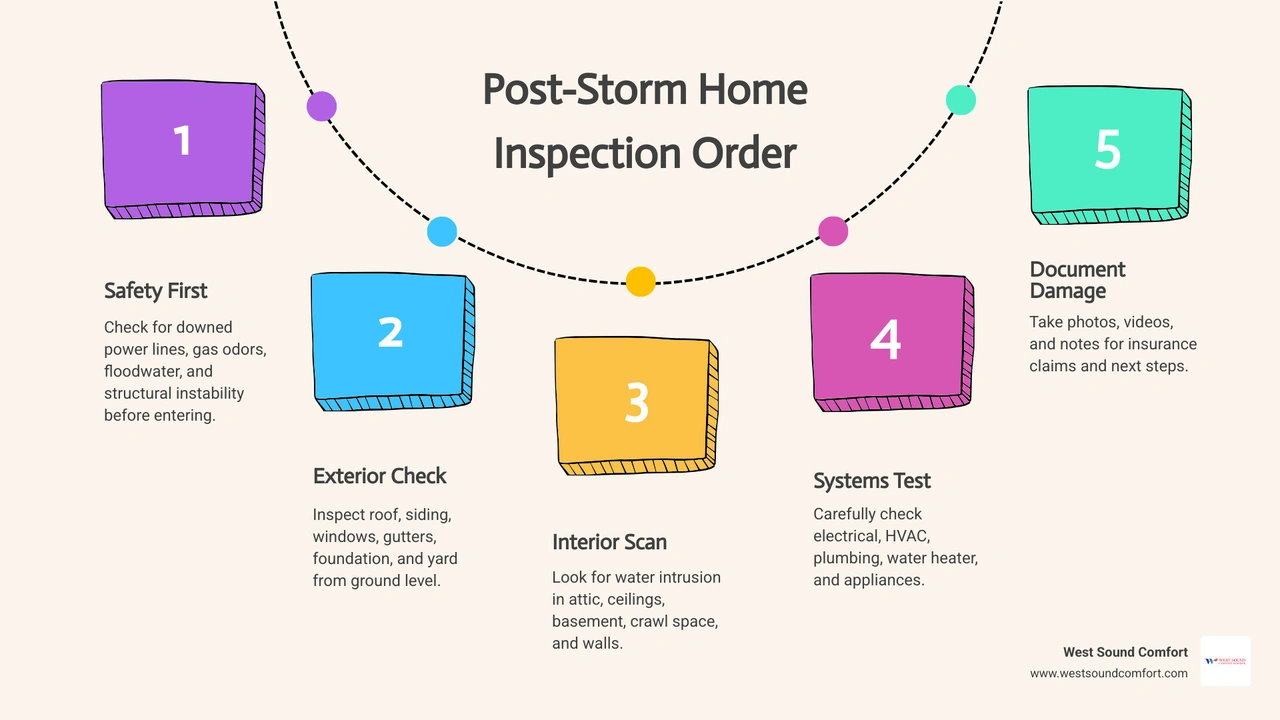
Following a thorough post storm home systems inspection checklist is one of the smartest things you can do after severe weather rolls through — and if you're on Washington's Olympic Peninsula, you know storms here don't hold back. Before diving into the full checklist, here's a quick snapshot of what to cover:
- Safety first — check for downed lines, gas odors, and structural instability before entering
- Exterior — roof, siding, windows, gutters, foundation, and yard
- Interior — ceilings, attic, basement, crawl space, and walls for water intrusion
- Home systems — electrical panel, HVAC, plumbing, water heater, and appliances
- Documentation — photos, video, and itemized notes for your insurance claim
- Next steps — temporary repairs, professional inspections, and mold prevention
Storm damage accounts for nearly 49% of all home insurance claims. That stat alone should make any homeowner pause — because what you can't see after a storm often costs far more than what you can. Wind-driven rain can sneak under shingles. Moisture can settle behind drywall. A tripped breaker might be hiding something much more serious than a brief power flicker. The damage doesn't always announce itself right away, and in a region where heavy rain, saturated soils, and powerful gusts are a regular part of life, waiting to check can turn a manageable repair into a major remediation.
I'm Ernie Bogue, co-owner of West Sound Comfort Systems, and with more than three decades working in plumbing, hydronic heating, and home comfort systems across Kitsap County, I've seen how storms expose hidden vulnerabilities in a home's systems — making a solid post storm home systems inspection checklist an essential tool for every Pacific Northwest homeowner. Let's walk through everything you need to check, system by system, so nothing gets missed.
Post Storm Home Systems Inspection Checklist: Start With Safety Before You Touch Anything
Before you start inspecting anything, make sure the property is actually safe to approach. Storms can leave behind electrical hazards, gas leaks, unstable structures, sharp debris, and even displaced wildlife. This is not the moment for flip-flops and optimism.
Keep these priorities first:
- Stay well away from downed power lines
- Avoid standing water, especially near outlets, extension cords, or outdoor equipment
- Do not enter if you smell gas or hear hissing
- Watch for sagging roofs, bowed walls, or ceilings holding water
- Use a flashlight, not candles or any open flame
- Know where your main electrical breaker, water shutoff, and gas shutoff are
What to do before starting your post storm home systems inspection checklist
Use this quick pre-check before you begin:
- Wait until local conditions are declared safe
- Keep at least 35 feet away from downed power lines
- Wear gloves, sturdy boots, long sleeves, and eye protection
- Bring a flashlight, phone, notepad, and charger
- Assume floodwater is contaminated
- Be alert for nails, broken glass, slippery surfaces, and animals seeking shelter
If your basement, crawl space, garage, or utility room has standing water, do not wade in if electrical equipment may be energized. Water and wiring are a terrible combination.
Immediate red flags that mean stop and call a professional
If you notice any of the following, stop your DIY inspection and call for help:
- Sparking outlets or switches
- A smoking or wet electrical panel
- A strong gas smell
- A fallen tree touching the house
- A bowed exterior wall
- A sagging ceiling
- Standing water around wiring, appliances, or HVAC equipment
- Major structural cracking or visible shifting
Inspect the Outside First: Roof, Siding, Windows, Foundation, and Drainage

We always recommend starting outside and walking the property slowly. A full perimeter check often reveals where water got in and what needs attention first.
How to inspect the roof safely without climbing during a post storm home systems inspection checklist
You do not need to get on the roof to spot many signs of storm damage. In fact, after a storm, climbing up there is often the worst idea.
Use binoculars and inspect from the ground for:
- Missing, lifted, curled, or torn shingles
- Dark patches or granule loss on asphalt shingles
- Loose or bent flashing around chimneys, skylights, and vents
- Damaged vent caps or rubber pipe boots
- Debris piles in roof valleys
- A sagging or uneven roofline
Then check from inside the attic, if safe:
- Damp insulation
- Water stains on rafters or roof decking
- Streaks of daylight around roof penetrations
- Musty smells or visible mold
If you see signs of impact damage, widespread shingle loss, or any sagging, call a roofing professional rather than trying to confirm it up close yourself.
Check siding, windows, and doors for hidden storm damage
Heavy wind and driven rain can damage more than just the roof. Inspect all elevations of the house for subtle problems that can let moisture in later.
Look for:
- Cracked, loose, or dented siding panels
- Bubbling, peeling, or chalky paint
- Gaps in caulk around windows and doors
- Torn screens or bent trim
- Broken window seals or fogging between panes
- Warped frames
- Doors or windows that suddenly stick, rub, or will not latch
Also check that weep holes at windows and doors are not blocked. Those tiny drainage openings help moisture escape. If they are clogged with debris or paint, water can stay trapped where it should not.
Inspect gutters, downspouts, foundation, and yard drainage
Gutters and grading are a big deal after Pacific Northwest storms. If water is not directed away from the house, foundation and crawl space problems can follow.
Inspect for:
- Gutters pulled away from the fascia
- Bent, detached, or leaking downspouts
- Debris clogs and mud buildup
- Water spilling over gutter edges
- Downspouts discharging too close to the foundation
- Pooling water near the home
- Soil washout or erosion
- Stair-step or diagonal cracks in masonry
- Fresh foundation cracks after heavy rain
- Wood siding or trim with less than 6 inches of ground clearance
That 6-inch clearance matters. When soil, mulch, or standing water sits too close to wood siding, it increases the risk of moisture damage and rot.
Don’t skip the yard and exterior structures
Your yard can tell you a lot about storm impact.
Check for:
- Leaning or split trees
- Hanging limbs over the roof, driveway, or service lines
- Fence panels pulled loose by wind
- Wobbly deck railings or porch steps
- Deck ledger separation where the deck meets the house
- Retaining wall movement
- Shed damage
- Driveway, walkway, or patio settlement
Around the Olympic Peninsula, saturated soil can also shift after long rains. If your home sits on a slope, look for slumping earth, new cracks in hardscaping, or drainage channels forming where they did not exist before.
Check Inside for Water Intrusion, Moisture, and Mold Risk
Once the outside is checked, move indoors. Water intrusion is often the most time-sensitive issue because mold can begin growing within 24 to 48 hours.
Where water shows up first after heavy rain or wind
Start with the places where storm leaks usually show up first:
- Attic rafters and roof decking
- Ceiling corners and the tops of walls
- Around windows and door frames
- Behind baseboards
- Basement corners
- Crawl space joists and insulation
- Utility rooms
- Around the water heater
- Around chimneys, vents, and skylights
Look for:
- Yellow or brown stains
- Bubbling paint
- Damp drywall
- Soft trim
- Condensation
- Musty odors
- Wet insulation
- Puddles or seepage
Even if you only see one small stain, take it seriously. Tiny leaks have a habit of becoming expensive hobbies.
Signs of hidden structural or foundation movement indoors
Storms can also expose movement in the structure, especially after saturated soil or strong wind events.
Watch for:
- Doors that jam or swing open on their own
- Windows that no longer operate smoothly
- New drywall cracks, especially diagonal ones
- Separated trim or widening gaps at corners
- Sloped or uneven floors
- Cracked tile
- Ceiling sag
- Gaps between walls and flooring
One crack is not always a crisis. A pattern of new cracks, sticking openings, and floor movement is more concerning and may point to settlement or structural shifting.
How to dry the home fast and prevent mold growth
If you find water, act quickly.
Follow these steps:
- Stop the source if possible and safe
- Document everything before cleanup
- Remove standing water
- Run fans and dehumidifiers
- Remove soaked rugs, cardboard, insulation, and other porous materials that cannot be dried fully
- Open access panels or affected cavities as needed for drying
- Clean hard surfaces with appropriate disinfectants if floodwater was involved
- Do not paint over mold or water stains and call for professional help if growth is visible or widespread
A moisture meter can help confirm whether materials are actually dry, especially in walls, subfloors, and framing.
Test Electrical, HVAC, Plumbing, and Appliances Carefully
This part matters because storm damage is not always visible. A system may power on and still be unsafe.
For seasonal maintenance and system care, these guides can also help:
Electrical warning signs after a storm and when to call for help
Electricity deserves caution after any major weather event, especially after flooding, lightning, or outages.
Check for:
- Tripped breakers that will not reset
- Burn marks around outlets or switches
- Buzzing sounds
- Flickering lights
- Dead circuits
- Wet electrical panels or corroded components
- GFCI outlets that will not reset
- Exposed wiring outdoors or in garages and crawl spaces
You can do a basic functional check by turning lights on and off and plugging in a small device to test outlets, but do not remove panel covers or touch wet equipment.
Call a licensed electrician if:
- The panel got wet
- Wiring was submerged
- You smell burning
- Breakers trip repeatedly
- Outlets are hot, sparking, or dead after the storm
- You suspect surge damage from lightning or power restoration
Power surges can quietly damage appliances and electronics even if nothing looks burned.
HVAC, heat pump, and ventilation checks after wind or flooding
Storms are tough on outdoor equipment. Wind can blow debris into condensers and heat pumps, and flooding can damage motors, controls, and wiring.
Check these areas carefully:
- Outdoor unit has 12 to 24 inches of clear airflow around it
- No branches, leaves, or fencing are blocking the unit
- Coil fins are not crushed
- Refrigerant lines are intact and insulation is not torn up
- Disconnect box is secure
- Indoor thermostat responds properly
- Furnace, air handler, or heat pump has no water exposure
- Vents and exhaust terminations are not blocked
- Air filter is clean
If your system was flooded, do not turn it on. Water-damaged HVAC equipment should be inspected before operation.
Helpful related reading:
Also pay attention to indoor air quality after a storm. Wet ductwork, insulation, or crawl spaces can spread odors and moisture through the house.
Plumbing, water heater, appliances, electronics, and garage systems
Now move through your plumbing fixtures and household equipment.
Check plumbing for:
- Visible pipe leaks under sinks and at shutoff valves
- Unusual drops in water pressure
- Slow drains or gurgling
- Sewer backup signs
- Sump pump operation, if you have one
- Outdoor hose bib damage
- Toilet base leaks after shifting
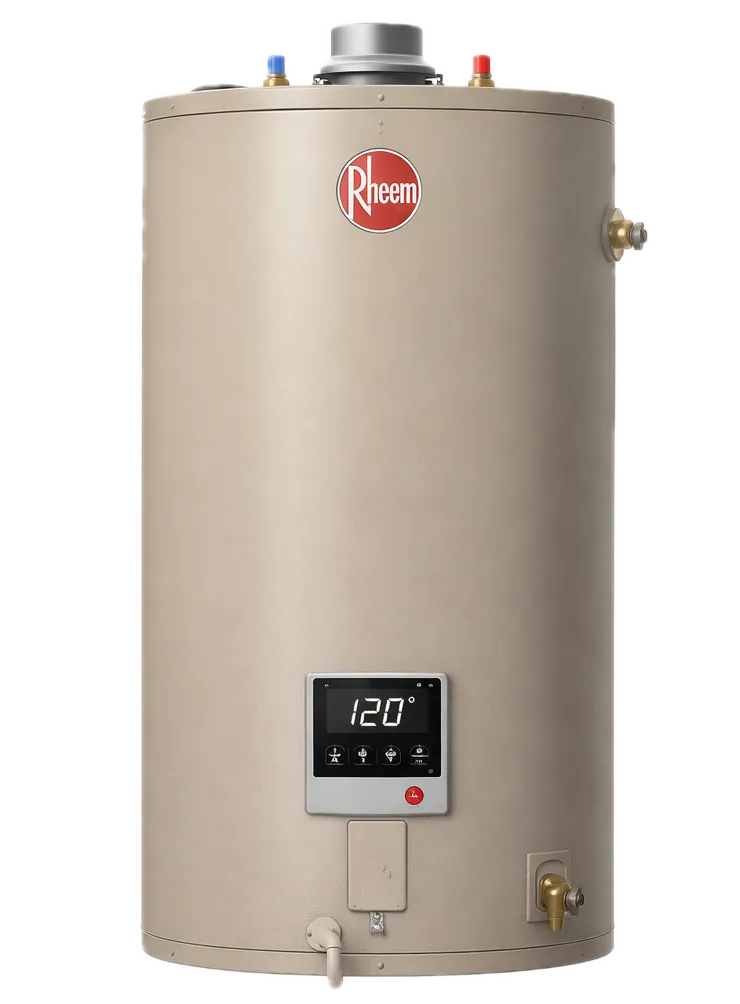
For the water heater, inspect for:
- Rust or corrosion
- Water around the base
- Venting issues on gas units
- Unusual noises
- Delayed hot water recovery
A good general target for hot water temperature is about 118 to 125 degrees Fahrenheit.
For appliances and electronics:
- Test one item at a time
- Check for odd noises, error codes, or burning smells
- Inspect cords and plugs before use
- Be cautious with refrigerators, dishwashers, laundry equipment, and garage freezers if outages were prolonged
- If an appliance was exposed to water, leave it off until inspected
For the garage door system:
- Test wall control and remotes
- Make sure the door travels smoothly
- Test the auto-reverse safety feature
- Confirm photo-eye sensors are aligned and dry
And yes, wet garage door sensors can be just dramatic enough to ruin your morning.
Document Damage, Know When DIY Ends, and Plan Next Steps
A good inspection is not just about finding damage. It is also about creating a clear record of what happened and deciding what needs a professional.
What to document for insurance and temporary repairs
Before you clean up too much, document everything.
Take:
- Wide photos showing the full area
- Close-up photos of specific damage
- Video walkthroughs with spoken notes
- Photos of damaged contents and materials
- Serial numbers on affected appliances or equipment when relevant
Write down:
- The date and approximate time of the storm
- When you discovered the damage
- Which rooms or systems were affected
- What temporary steps you took to prevent further damage
Keep receipts for:
- Tarps
- Fans
- Dehumidifiers
- Emergency cleanup supplies
- Temporary repairs
- Lodging if the home became unsafe
Insurance policies typically expect homeowners to take reasonable steps to prevent further damage, but document first whenever possible.
When a professional inspector is necessary versus a DIY check
A DIY walkthrough is a great first screen. It is not a replacement for a professional when the damage is complex, hidden, or safety-related.
| Situation | DIY visual check | Professional inspection needed |
|---|---|---|
| Small branch debris in yard | Yes | No |
| Minor gutter debris | Yes | Sometimes |
| Missing shingles or flashing damage | Basic view from ground | Yes |
| Flooded panel, wiring, or outlets | No | Yes |
| HVAC or furnace exposed to water | No | Yes |
| New structural cracks or bowed walls | No | Yes |
| Repeated leaks or attic moisture | Basic spotting | Yes |
| Sewer backup or drainage failure | Limited | Yes |
| Hidden moisture in walls/crawl spaces | Limited | Yes |
Call a pro if you notice:
- Roof impact damage
- Electrical flooding or surge issues
- Structural cracking or movement
- Wet insulation or recurring attic leaks
- Sewer or drainage failures
- Water-damaged HVAC, heat pump, or water heater
- Moisture that keeps returning after cleanup
Pacific Northwest and coastal storm concerns homeowners should add to the checklist
Homes in Kitsap, Pierce, Mason, Clallam, and Jefferson Counties deal with storm patterns that are a little different from inland areas.
Add these local checks to your list:
- Wind-driven rain around west-facing walls and window trim
- Moss-heavy roofs that hold moisture after storms
- Saturated crawl spaces
- Downed evergreen limbs
- Prolonged power outages
- Coastal corrosion at exterior hardware and equipment
- Soil movement on sloped lots
- Drainage overflow during back-to-back storms
If you live in places like Bremerton, Silverdale, Port Orchard, Gig Harbor, Bainbridge Island, Sequim, Port Townsend, Kingston, Poulsbo, Belfair, or Port Angeles, heavy rain and coastal wind can combine in ways that create hidden leaks, crawl space moisture, and drainage problems long after the storm passes.
For more seasonal prep, see 5-Step Checklist for Another Pacific Northwest Winter.
Frequently Asked Questions About a Post Storm Home Systems Inspection Checklist
How soon should you do a post storm home systems inspection checklist?
As soon as it is safe. The same day is ideal for a visual check outside and inside. Within 24 to 48 hours, you should identify and begin drying any water intrusion to reduce mold risk.
Is a DIY checklist enough after a major storm?
No. A DIY checklist is useful for spotting obvious issues and documenting damage early, but major storms often cause hidden problems in roofs, electrical systems, wall cavities, crawl spaces, and foundations. Use your checklist as a first pass, not the final word.
What should you do first if you find water or electrical damage?
If it is safe, shut off power to the affected area and stop the water source. Do not touch wet outlets or equipment. Document the damage, keep people out of the area, and call the appropriate professional for the system involved.
Conclusion
A solid post storm home systems inspection checklist helps you catch problems early, protect your home, and avoid the all-too-common "we thought it was fine" surprise a few weeks later.
For homeowners across the Olympic Peninsula, storms are part of life. Hidden damage does not have to be. If your post-storm inspection raises concerns about your HVAC, plumbing, or electrical systems, West Sound Comfort is here to help with trusted service across Kitsap, Pierce, Mason, Clallam, and Jefferson Counties.
Explore our services if you need help getting your home's essential systems checked, restored, and ready for the next round of Pacific Northwest weather.
Trusted by Your Neighbors


Featured Manufacturer

Related Blogs
Dealing with Wildfire Smoke in Silverdale: Upgrading Your HVAC Filter Setup

Is It Normal for My Heat Pump to Run Constantly When It Hits 90 Degrees?