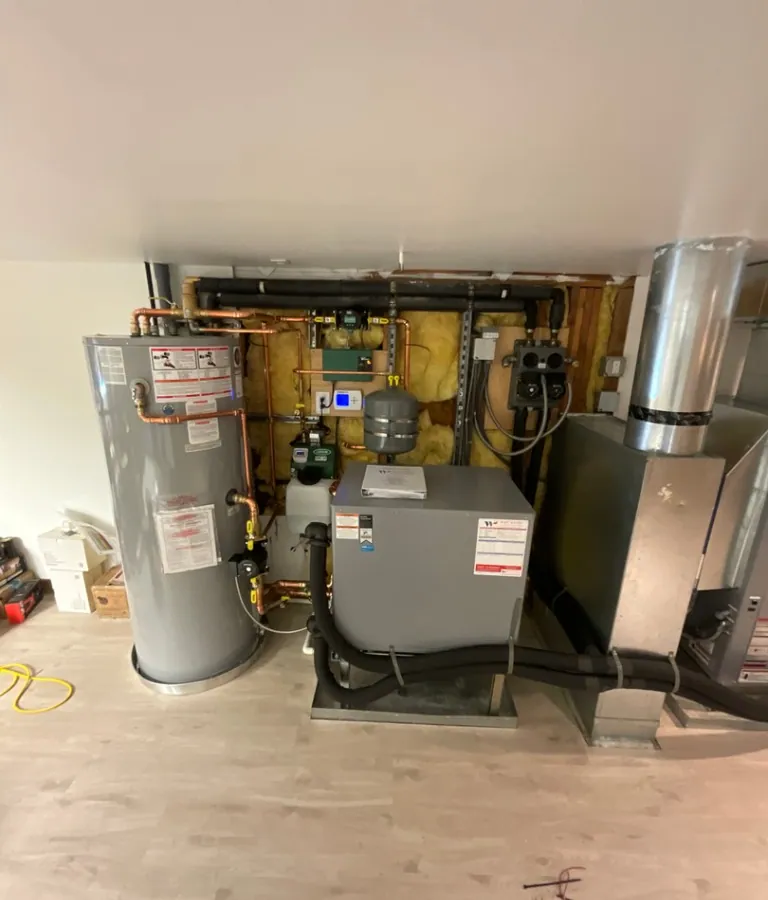
Following a solid HVAC maintenance checklist for the Pacific Northwest is one of the most practical things you can do to protect your home comfort system — and your wallet. Here's a quick overview of the most important tasks:
Pacific Northwest HVAC Maintenance Checklist at a Glance:
The Pacific Northwest is a uniquely demanding environment for HVAC systems. Seattle averages around 164 rainy days per year, indoor humidity regularly climbs above 75%, and coastal areas like Kitsap County deal with salt-laced marine air that accelerates corrosion on outdoor equipment. On top of that, increasingly common summer heat events — like the 2021 heat dome — mean your system needs to be ready for both extremes. A neglected system simply isn't built to handle all of that. Well-maintained HVAC units can operate up to 20% more efficiently than neglected ones, and regular care can extend equipment life by 5 to 7 years on average — that's real money saved over time.
I'm Ernie Bogue, co-owner of West Sound Comfort Systems, and I've spent more than three decades working on home comfort systems right here on the Olympic Peninsula — so I know how the region's damp, salty, and variable climate puts extra demands on HVAC equipment. In this HVAC maintenance checklist for the Pacific Northwest, I'll walk you through exactly what to do, when to do it, and when to call in a pro.

Living in a marine climate is beautiful, but it is incredibly tough on mechanical systems. Whether you are looking at the saltwater shorelines of Gig Harbor or the damp forests of Port Angeles, our local weather patterns actively work to degrade your heating and cooling equipment.
If you are wondering How Does a Heat Pump Work in the Pacific Northwest, the short answer is that it works hard—and it does so almost year-round. Because our systems rarely get a true "off-season," they accumulate wear and tear much faster than systems in milder or more single-season climates.

Our average indoor and outdoor humidity levels are notoriously high. When warm, moisture-laden air hits cold coils, it creates massive amounts of condensation. This constant moisture is a breeding ground for mold and mildew if your system's condensate drains are not regularly cleared.
Furthermore, if you live in coastal communities like Bainbridge Island, Sequim, or Port Townsend, the salt-laden marine air is a silent killer for outdoor condenser units. Salt air accelerates the oxidation of aluminum fins and copper tubing, leading to rapid corrosion. Over time, this corrosion reduces heat transfer efficiency and can cause refrigerant leaks. A simple monthly freshwater rinse of your outdoor unit with a gentle garden hose (never a pressure washer!) can wash away these corrosive salt deposits and extend the life of your unit.
In recent years, late summers on the Olympic Peninsula have brought an unwelcome visitor: wildfire smoke. When smoke blankets areas like Silverdale or Poulsbo, your HVAC system's air filter becomes your home’s primary defense system.
During heavy smoke events, filters can clog in a matter of days. Clogged filters force your system to work twice as hard to pull air, which can cause the blower motor to overheat and spike your energy bills. Even outside of smoke season, our spring pollen from alders, maples, and evergreens is dense enough to coat outdoor coils and clog indoor filters. Upgrading to a MERV 8 to MERV 13 filter and checking it monthly is essential for maintaining healthy indoor air quality and keeping your system running efficiently.
To keep your system running smoothly without unexpected breakdowns, it helps to break your maintenance down by the seasons. Transitioning smoothly between heating and cooling mode requires a little bit of foresight.
Before the first summer heatwave hits Port Orchard or Kingston, you want to make sure your air conditioner or heat pump is ready to cool.
For a deeper dive into prepping your home for the warmer months, check out our Spring HVAC and Plumbing Maintenance Checklist and our comprehensive Spring HVAC Plumbing Maintenance Guide Northwest. If you are running a ductless setup, don't miss our guide on Summer Maintenance for Your Mini Split or Heat Pump as well as general Summer Cooling Tips for Marine Climate Homeowners.
When the damp autumn chill rolls into Belfair and Port Ludlow, your focus should shift to reliable, efficient heating.
To make sure you are fully prepared for the freezing winter winds, review our 5 Step Checklist for Another Pacific Northwest Winter and put these 5 Energy Saving Moves for the First Cold Snap in the Pacific Northwest into action.
Heat pumps are the undisputed gold standard for heating and cooling in our mild marine climate. However, because they handle both heating in the winter and cooling in the summer, they experience double the wear and tear of a standard furnace or air conditioner.
During a typical PNW winter, a heat pump will run through thousands of defrost cycles to keep its outdoor coils from freezing over. This constant switching between modes causes mechanical fatigue on components like the reversing valve, contactors, and capacitors.
If you are located in Kitsap County, keeping your system serviced is easy with our specialized Heat Pump Maintenance in Bremerton WA services. You can also read through our Residential Heat Pump Maintenance Bremerton Guide or check out the Best Heat Pump Maintenance Bremerton Guide to understand exactly how we keep these systems running efficiently.
Because heat pumps work hard during both the winter freeze and the summer heat, scheduling professional tune-ups twice a year (spring and fall) is highly recommended. During these visits, technicians check refrigerant levels, measure electrical draw, and test the reversing valve to ensure seamless transitions between modes.
If you ever experience a sudden breakdown during a cold snap, we provide 24 Hour Heat Pump Maintenance in Bremerton WA to get your home warm again. We also extend our specialized services to nearby communities, offering dedicated Heat Pump Maintenance in Keyport WA.
Ductless mini-splits are incredibly popular across the Olympic Peninsula, especially in older homes without existing ductwork. However, because they recirculate air directly within individual rooms, their filters clog much faster than central systems.
If neglected, mini-splits can develop what the industry calls "dirty sock syndrome" — a musty, moldy smell caused by organic dust mixing with moisture on the dark, damp indoor coils. Homeowners should slide out and wash the plastic mesh filters every 2 to 4 weeks. Once a year, a professional should perform a deep chemical flush of the indoor blower wheel and coils to keep the air smelling fresh and clean.
While we love an active, hands-on homeowner, some HVAC tasks are best left to licensed professionals to protect your safety and keep your equipment warranty valid. Most major manufacturers require documented professional maintenance to honor parts warranties.
| Maintenance Task | DIY Safe? | Professional Required? | Why? |
|---|---|---|---|
| Replace Air Filters | Yes | No | Simple slide-in task; essential for basic airflow. |
| Clear Debris & Trim Plants | Yes | No | Keeps the outdoor unit breathing safely. |
| Wash Vent Registers | Yes | No | Keeps dust from recirculating in your rooms. |
| Check Thermostat Settings | Yes | No | Easy way to optimize your daily schedule. |
| Test Refrigerant Levels | No | Yes | Requires EPA Section 608 certification to handle. |
| Electrical Component Testing | No | Yes | High voltage hazard; requires specialized meters. |
| Gas Furnace Combustion Analysis | No | Yes | Carbon monoxide risk; requires calibrated analyzers. |
| Deep Coil Cleaning | No | Yes | Acidic or chemical cleaners can ruin coils if done wrong. |
As a homeowner, your primary job is maintaining unrestricted airflow. You can safely change your return air filters every 30 to 90 days, vacuum dust off your supply registers, and ensure no furniture or heavy drapes block air paths. Keeping the outdoor unit clear of leaves, snow, and encroaching landscaping is another highly valuable task you can easily handle on a weekend afternoon.
Anything involving electricity, natural gas, propane, or chemical refrigerant is strictly professional territory. Testing capacitor strength, checking for cracked heat exchangers (which can leak deadly carbon monoxide), and measuring refrigerant pressures require specialized tools, diagnostic training, and EPA certifications. Trying to handle these yourself can result in severe injury, system damage, or a voided warranty.
At a bare minimum, you should check your filter every 30 days. If it looks grey and dusty, swap it out. For homes without pets or allergies, a standard 1-inch pleated filter can last up to 90 days. However, if you have pets, live in a dusty area, or suffer from seasonal allergies, plan on replacing it every 30 to 60 days. During active wildfire smoke events, you may need to replace it even more frequently.
In the winter, it is completely normal for a thin layer of frost to form on your outdoor unit. The system will periodically enter "defrost mode" to melt this ice, which will cause water to pool around the base of the unit (this is why a level concrete pad and clear drainage are so important).
However, if the unit is completely encased in a solid block of ice, or if it is leaking water inside your home during the summer, you likely have a clogged condensate drain or restricted airflow from a dirty filter. Turn the system off and call a professional to diagnose the issue before compressor damage occurs.
Absolutely. According to the EPA, for every dollar you spend on preventative maintenance, you save an average of $4 in avoided emergency repairs and premature component failures. Regular tune-ups keep your system running at peak efficiency, saving you up to 30% on your monthly energy bills. Plus, keeping your system clean and calibrated can extend its lifespan by up to 7 years, deferring a costly replacement.
A reliable HVAC maintenance checklist for the Pacific Northwest isn't just about keeping your home comfortable — it's about protecting one of your home's most expensive mechanical investments from our unique marine climate. From salt air corrosion on the shores of Bainbridge Island to the damp winter chill of Port Angeles, your system works hard year-round to keep you cozy.
At West Sound Comfort, we have over 30 years of experience serving homeowners across Kitsap, Pierce, Mason, Clallam, and Jefferson Counties. We stand behind our work with an industry-leading 5-year warranty on parts and labor, and we are incredibly proud of our 95% customer retention rate. Whether you need a routine seasonal tune-up, a heat pump repair, or a complete system upgrade, our local, friendly team is here to help.
Don't wait for the next major heatwave or winter freeze to find out if your system is up to the challenge. Schedule professional HVAC maintenance with West Sound Comfort today and breathe easy knowing your home comfort is in expert hands!