.avif)

Why Electrical Panel Upgrades Are Crucial Before Switching to Fall Heating
The Hidden Bottleneck in Your Late-Summer Heating Preparation
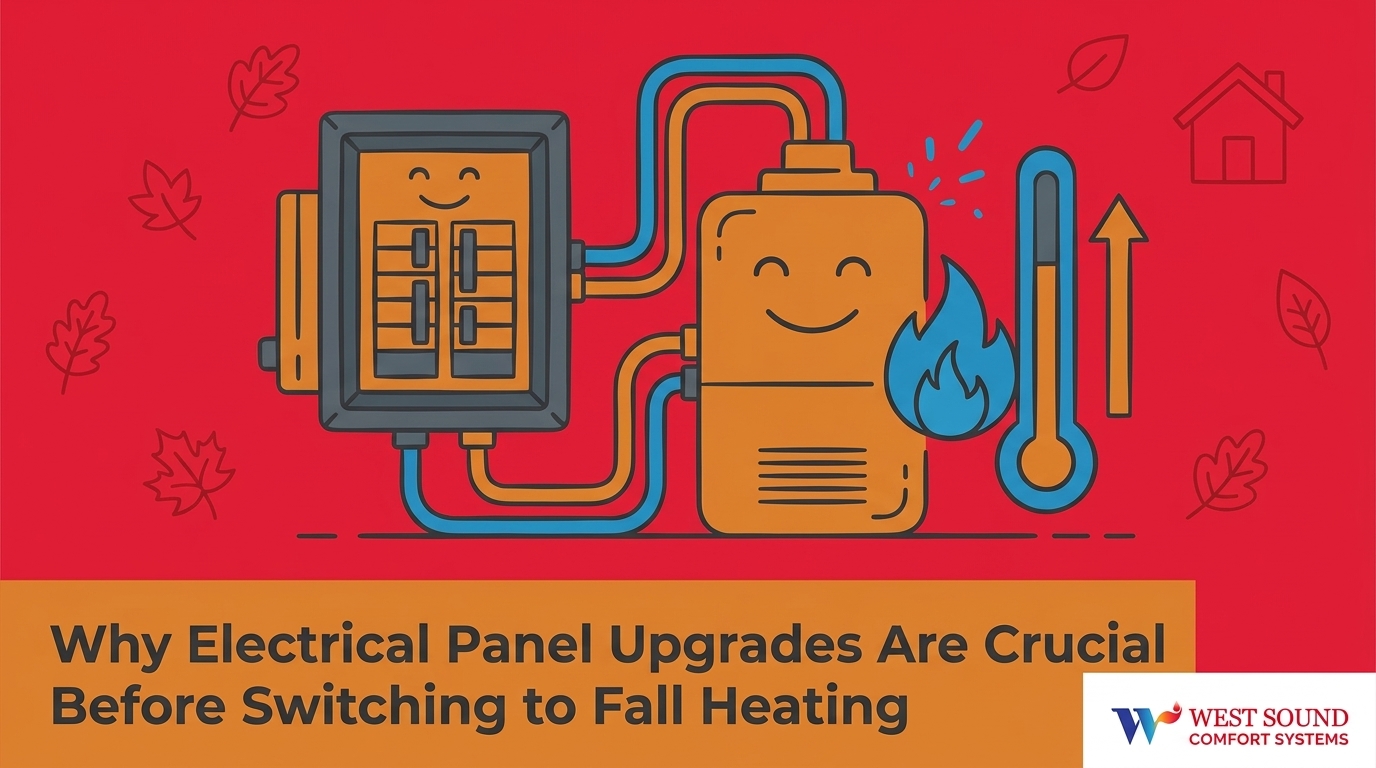
As we enter the August late-summer transition, understanding exactly why electrical panel upgrades are crucial before switching to fall heating can save you from unexpected breakdowns when the weather turns cold. Many homeowners spend the final weeks of summer researching high-efficiency heating equipment, eager to prepare their homes for the upcoming seasonal shift. However, a critical element often gets overlooked in this planning phase: the home's electrical infrastructure. Your heating and cooling equipment does not operate in a vacuum; it functions as part of an integrated ecosystem, and a brand-new, high-efficiency HVAC system is only as reliable as the electrical panel powering it.
When planning your home upgrades, coordinating your electrical services with modern heat pump systems ensures you have the power necessary to stay comfortable year-round.
The most common bottleneck homeowners encounter during a heating upgrade is discovering that their aging electrical panel simply cannot support the continuous, heavy electrical load required by modern equipment. Recognizing this limitation early—before the old furnace fails or the new heat pump is delivered—is a vital decision point. If your electrical infrastructure is outdated, an electrical upgrade must precede the installation of any new heating equipment. Addressing this bottleneck now ensures a seamless transition into autumn, protecting your investment and guaranteeing reliable warmth when the Pacific Northwest chill finally sets in.
How End-of-Season Air Conditioning Exposes Electrical Weaknesses
The Problem: By the time the August late-summer transition arrives, your air conditioning system has likely been running continuously for months. This sustained, heavy cooling demand acts as an unintentional stress test for your home's electrical panel. If your electrical infrastructure is aging or undersized, this period of maximum operational strain will bring hidden weaknesses to the surface.
The Cause: Electrical components naturally degrade over time, and continuous high-amperage loads accelerate this wear. When an air conditioner cycles on during the hottest part of the day, it draws a massive surge of electricity. In an older panel, this surge generates heat. Over weeks of heavy summer use, the repeated heating and cooling of electrical connections can cause them to loosen. Breakers that are operating near their maximum capacity become overly sensitive, leading to nuisance tripping. What appears to be a minor inconvenience—a flipped breaker on a hot afternoon—is actually a clear diagnostic signal that your electrical panel is struggling to keep up with your home's energy demands.
The Solution: Use this late-summer AC strain as a diagnostic tool. Ignoring minor electrical hiccups now almost guarantees major heating failures when temperatures drop. A system that struggles to power an air conditioner in August will certainly fail to support the continuous, high-draw demands of a modern electric heating system in November. By paying attention to how your electrical panel performs at the end of the cooling season, you can proactively schedule the necessary upgrades, ensuring your home is fully prepared before the heavy heating loads begin.
Modern Heat Pumps vs. Legacy Systems: Understanding the Power Draw
To fully grasp why heating upgrades require careful electrical planning, you have to look at the fundamental differences in how legacy systems and modern systems consume energy. Older heating setups, such as natural gas or oil furnaces, primarily rely on combustible fuels to generate heat. Their electrical draw is generally limited to powering the blower motor and the ignition sequence—a relatively small load. Modern, fully electric systems, however, rely entirely on electricity to extract, compress, and distribute heat.
When you begin exploring heating upgrades, understanding this shift in power consumption is critical. A modern heat pump requires dedicated circuits and substantial amperage for safe, continuous operation.
• Primary Energy Source — Legacy Heating (Gas/Oil): Combustible fuel (gas, oil, propane) — Modern Heat Pumps: 100% Electricity
• Electrical Draw — Legacy Heating (Gas/Oil): Low (mostly for blower motors and controls) — Modern Heat Pumps: High (compressor, air handler, auxiliary heat)
• Circuit Requirements — Legacy Heating (Gas/Oil): Typically shares standard 110/120V household circuits — Modern Heat Pumps: Requires dedicated 220/240V heavy-duty circuits
• Panel Impact — Legacy Heating (Gas/Oil): Minimal impact on total electrical capacity — Modern Heat Pumps: Requires significant dedicated amperage
The Shift from 100-Amp to 200-Amp Service
The core of this infrastructure challenge lies in the 100-amp vs 200-amp electrical service requirements. Decades ago, a 100-amp service panel was perfectly adequate to run a home's lights, a refrigerator, a television, and a gas furnace. Today, that same 100-amp capacity is quickly overwhelmed by multiple modern appliances, electric vehicles, and high-efficiency HVAC systems.
The National Electrical Code (NEC) sets strict load calculation standards to ensure homes operate safely. When a professional evaluates your home for a new heat pump, they perform a comprehensive load calculation. If your existing panel cannot safely accommodate the new equipment alongside your current appliances without exceeding its rated capacity, the NEC mandates an upgrade. Moving to a modern 200-amp service panel provides the necessary bandwidth to support a fully electric heating system while leaving room for future technological additions.
Clear Signs Your Current Panel Cannot Handle a New Heating System
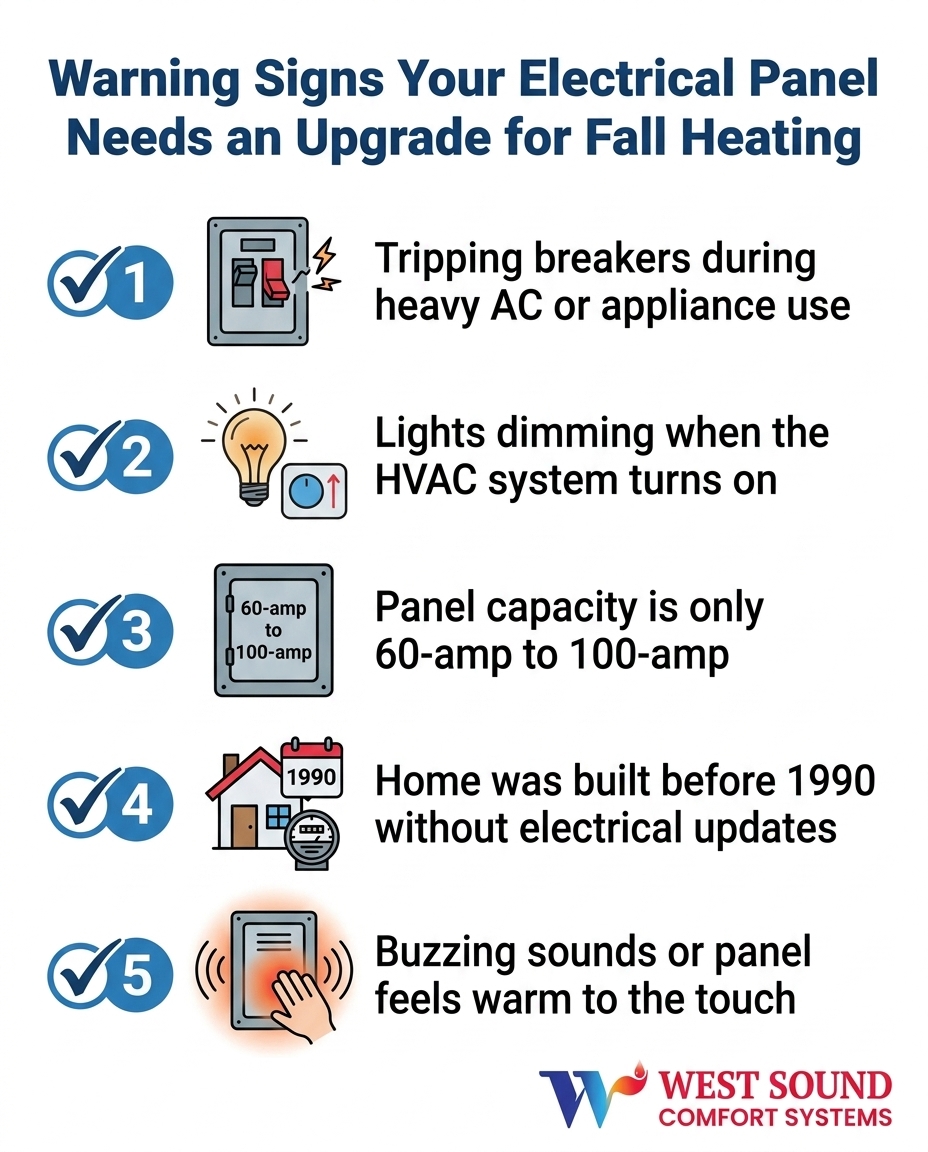
You do not need to be a licensed electrician to spot the warning signs of an overloaded electrical panel. As you evaluate your home for new heating equipment this fall, look for these common indicators that your infrastructure needs an update. Recognizing the signs your home needs an electrical panel upgrade early will prevent frustrating delays during your installation.
• Frequent breaker trips: If you regularly have to reset breakers when the air conditioner, microwave, or hair dryer runs, your panel is already operating at its maximum limit. Adding a high-draw heating system will only make this worse.
• Dimming or flickering lights: Pay attention to your lighting when large appliances cycle on. A noticeable dip in brightness indicates that the appliance is pulling so much power that it temporarily starves the rest of the house.
• Age-based limitations: If your home still relies on a panel installed before the 1990s, or if you verify that your main breaker is rated for only 60-amp to 100-amp capacity, an upgrade is almost certainly required for modern HVAC equipment.
• Sensory warning signs: Electricity should be seen (via lighting) and used, but never heard or felt at the panel. A buzzing sound coming from the breaker box, or a panel cover that feels noticeably warm to the touch, indicates dangerous resistance and heat buildup.
• Use of multiple power strips: If your home lacks sufficient outlets and relies heavily on power strips and extension cords, it is a strong indicator that the original electrical design is outdated and undersized for modern living.
Why Older Pacific Northwest Homes Face Unique Infrastructure Challenges
The housing landscape in our region presents a specific set of challenges when it comes to modernizing home comfort. Many of the older homes in Silverdale WA and Kitsap County were constructed well before the 1990s. During that era, the standard electrical service was typically 100 amps, which was more than enough to handle the relatively simple electrical demands of the time. Heating was largely handled by legacy systems—oil furnaces, baseboard heaters, or wood stoves—none of which required massive electrical infrastructure.
Today, the landscape has shifted. Homeowners are rapidly moving away from fossil fuels and inefficient baseboards in favor of modern, highly efficient electric heat pumps. If you are considering a furnace installation in Silverdale or a transition to a heat pump, you must account for the local climate. The Pacific Northwest experiences a sharp transition from mild late summers to damp, chilly autumns. This climate requires heating systems to run continuously to combat the biting, humid cold.
This continuous, high-draw operation exposes the infrastructure gaps in older homes. A 100-amp panel simply cannot sustain the heavy load of a heat pump working hard against a cold, damp November night while the rest of the home's appliances are in use. Upgrading the electrical panel is not just a regulatory requirement; it is a necessary step to future-proof the home, ensuring that the electrical foundation is robust enough to handle the specific climate demands of the Pacific Northwest.
The Safety and Efficiency Risks of Skipping the Electrical Upgrade
The Problem: Attempting to bypass a necessary electrical upgrade and force a modern heating system onto an inadequate panel introduces severe risks to both your property and your wallet. When a high-efficiency system is starved for power, it cannot operate as designed, leading to a cascade of mechanical and safety issues.
The Cause: The core issue again comes down to the 100-amp vs 200-amp electrical service requirements. When a panel is overloaded, the wires draw more current than they are rated to handle. This excess current generates significant heat. In a properly functioning system, a breaker will trip to stop the flow of electricity and prevent a fire. However, if an aging panel fails to trip, or if a homeowner repeatedly resets a tripping breaker without addressing the root cause, the insulation around the wires can melt, leading to electrical shorts and severe fire hazards.
The Solution: A proper panel upgrade eliminates these safety hazards while protecting your HVAC investment. Inadequate power supply causes premature wear and tear on expensive new heating equipment. Compressors that experience voltage drops will run hotter and fail sooner. Furthermore, you lose the efficiency benefits you paid for. A high-efficiency heat pump cannot perform optimally if it is constantly struggling against voltage fluctuations or tripping breakers. Upgrading your electrical infrastructure ensures your new system receives clean, consistent power, allowing it to heat your home safely and efficiently for years to come.
Streamlining Your Installation: The Multi-Trade Advantage
Recognizing the need for an electrical upgrade is the first step; executing it smoothly before the cold weather hits is the next challenge. Traditionally, homeowners have faced a logistical nightmare when upgrading their home comfort systems, forced to act as a general contractor between different trades.
1. The Coordination Struggle: In a typical scenario, a homeowner hires an HVAC company to install a heat pump, only to be told they need to find and hire a separate licensed electrician to upgrade the panel first.
2. Scheduling Delays: Coordinating schedules between two separate, busy contractors during the late-summer rush often leads to weeks of delays. The electrician might be booked out for a month, leaving the homeowner without reliable heating just as autumn begins.
3. The Multi-Trade Solution: Working with a multi-trade contractor changes this dynamic entirely. By seamlessly handling both the electrical panel upgrade and the heating system integration under one roof without relying on subcontractors, the entire process is streamlined.
4. Unified Accountability: A single team manages the load calculations, the permitting, the electrical installation, and the HVAC commissioning. There is no finger-pointing between trades if an issue arises.
5. Faster Time to Comfort: Because the electrical and HVAC teams work together, the panel upgrade and the heating installation can often be scheduled concurrently or back-to-back, drastically reducing downtime and ensuring your home is ready for fall.
Common Questions About Electrical Requirements for Heating
Do I need to upgrade my electrical panel for a heat pump?
Often, yes. This is especially true in older homes. Modern heat pumps require dedicated 220/240V circuits and a substantial amount of continuous amperage to operate their compressors and auxiliary heating elements. If your current panel is only rated for 100 amps, it will likely lack the capacity to support the heat pump alongside your other household appliances, making an upgrade to 200-amp service necessary.
How do I know if my electrical panel is overloaded?
The most common indicators of an overloaded panel are frequent breaker trips and lights that dim or flicker when a large appliance (like an air conditioner or microwave) turns on. You might also notice that the metal cover of the breaker panel feels warm to the touch, or you may hear a faint buzzing sound. If you observe any of these signs, you should have a professional evaluate your system immediately.
Can a 100-amp panel run an electric furnace?
Generally, a 100-amp panel cannot safely run a modern electric furnace. Electric furnaces rely on massive resistance heating elements that draw a tremendous amount of power—often requiring 60 to 80 amps just for the furnace itself. Running an electric furnace on a 100-amp panel leaves virtually no capacity for lighting, refrigeration, or water heating, making a panel upgrade mandatory.
How long does a panel upgrade add to a heating installation timeline?
When you work with separate contractors, coordinating a panel upgrade can delay your heating installation by several weeks due to scheduling conflicts. However, when you utilize a multi-trade contractor, the electrical upgrades can often be scheduled concurrently with the HVAC work. This unified approach minimizes downtime, usually completing the entire project within a few consecutive days.
Are there incentives for upgrading my electrical panel and heating system?
Yes, there are often programs available to help offset the costs of these necessary upgrades. Federal tax credits may apply to qualifying high-efficiency heat pump installations and the related electrical panel upgrades required to support them. Additionally, local utility companies frequently offer incentive programs for energy-efficient home improvements. We always advise homeowners to verify current programs and eligibility requirements with their utility provider or a tax professional.
Secure Your Home's Comfort Before the Autumn Chill Arrives
A truly reliable heating system starts with a robust, modern electrical foundation. As the August late-summer transition reminds us that colder weather is fast approaching, now is the ideal time to evaluate your home's infrastructure. Do not wait for the first freezing night to discover that your electrical panel cannot support your heating needs.
By taking a proactive approach and viewing your HVAC and electrical systems as one integrated ecosystem, you can eliminate bottlenecks, improve your home's safety, and maximize the efficiency of your new equipment. Use this late-summer window to assess your current panel and schedule a comprehensive evaluation. Reach out to a professional team today to coordinate your integrated electrical and heating upgrades, ensuring your home remains warm, safe, and comfortable long before the autumn chill arrives.
Trusted by Your Neighbors


Featured Manufacturer
Related Blogs
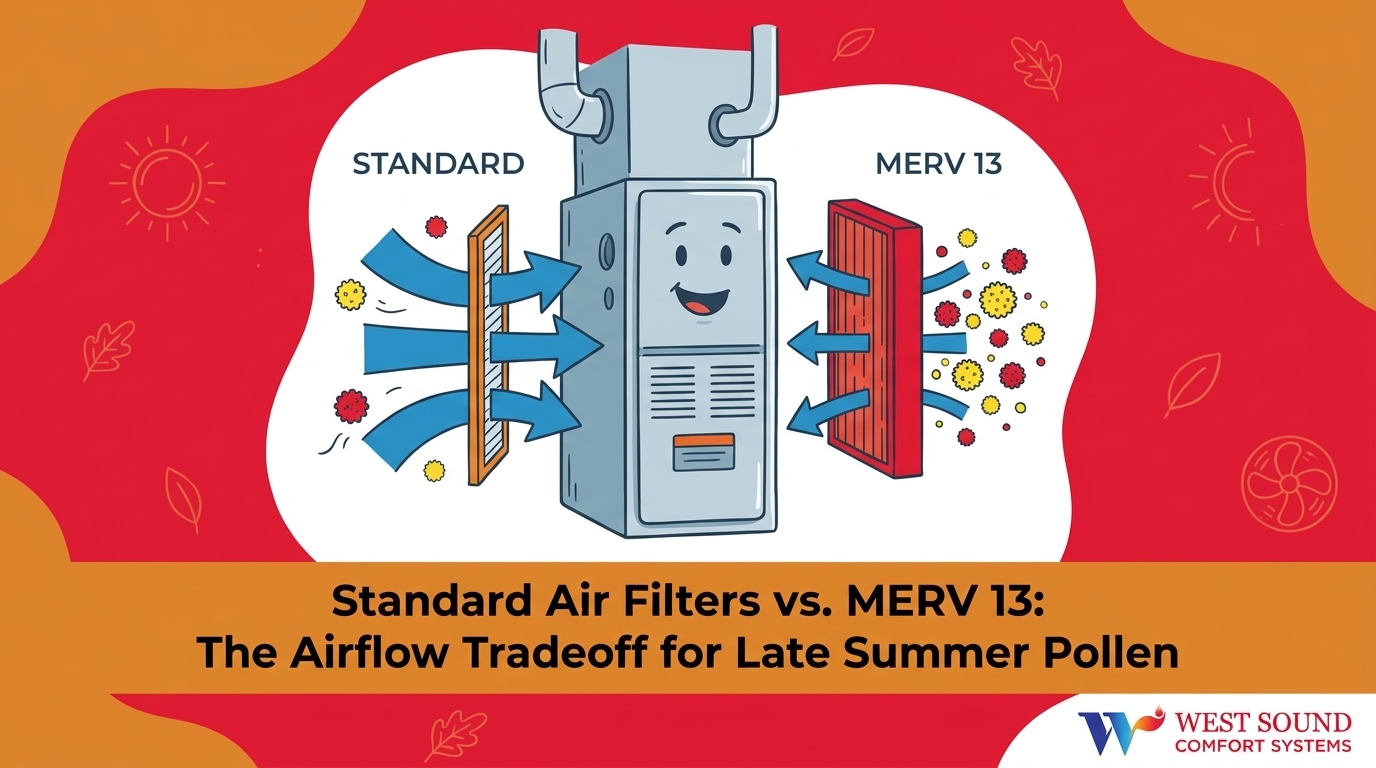
Standard Air Filters vs. MERV 13 for Late Summer Pollen and Dust

Can I Hose Off My Outdoor AC Unit to Make It Run Better?