.avif)

How Old Is Too Old for an HVAC System — and What It Means for Your Home
How old is too old for an HVAC system is one of the most common questions homeowners ask — and the short answer is: most systems are past their prime somewhere between 15 and 20 years. But the real answer depends on your system type, how well it's been maintained, and where you live.
Here's a quick breakdown by system type:
• Central Air Conditioner — Typical Lifespan: 15-20 years — Consider Replacement At: 15 years
• Gas Furnace — Typical Lifespan: 15-30 years — Consider Replacement At: 20 years
• Heat Pump — Typical Lifespan: 10-16 years — Consider Replacement At: 12-15 years
• Boiler — Typical Lifespan: 25-35 years — Consider Replacement At: 25 years
If your system is approaching or past these thresholds — especially if it's been showing signs of trouble — it's time to take a serious look at what comes next.
That said, age alone doesn't always tell the full story. A 14-year-old system that's never been serviced can be in far worse shape than a 20-year-old unit that's had annual tune-ups. Efficiency loss, repair history, refrigerant type, and local climate conditions all factor into the equation. For homeowners on Washington's Olympic Peninsula — where damp winters, coastal humidity, and salt air put extra stress on equipment — systems can wear out faster than national averages suggest.
In this guide, we'll walk you through everything you need to know: how to check your system's age, which warning signs to watch for, when repair stops making financial sense, and what options you have going forward.
I'm Ernie Bogue, co-owner of West Sound Comfort Systems, and with over three decades of hands-on experience in the trades, I've seen how the question of how old is too old for an HVAC system plays out differently for every home and every homeowner. Let's cut through the noise and give you the clear, practical answers you need to make a confident decision.
Understanding the Lifespan of Modern Heating and Cooling Systems
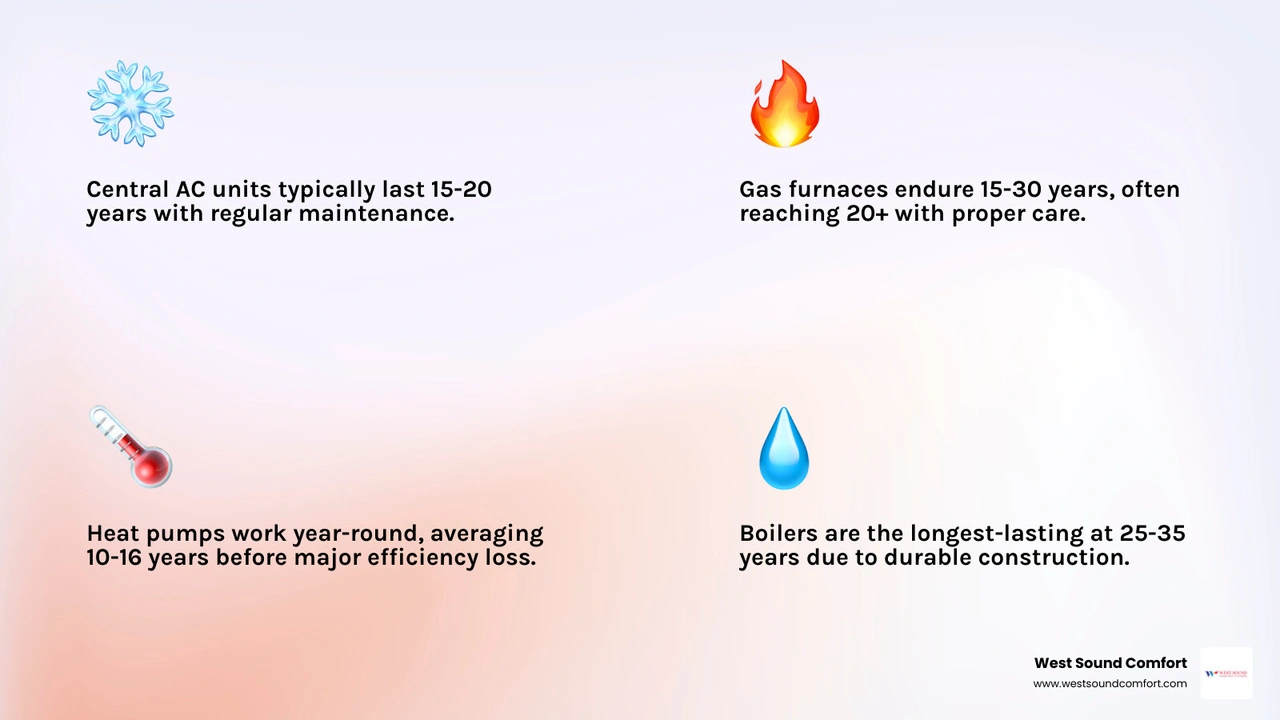
When we talk about the lifespan of an HVAC system, we have to look at the specific components. Not all equipment is built to handle the same amount of stress. For instance, a boiler is essentially a heavy-duty vessel that can last decades, whereas a heat pump is a complex machine that works hard all year round.
• Central Air Conditioners (15-20 years): These units usually live outdoors and are exposed to the elements. Under normal maintenance schedules, you can expect about 15 to 20 years of service. However, by year 12, many units have already lost 20% to 30% of their original efficiency.
• Gas Furnaces (15-30 years): Furnaces tend to last longer because they stay indoors, protected from the rain and wind. The primary safety constraint here is the heat exchanger. If the heat exchanger cracks due to age and metal fatigue, the system becomes a carbon monoxide hazard and must be replaced.
• Heat Pumps (10-16 years): Because heat pumps provide both heating and cooling, they log more "miles" than a standalone AC. In heating-dominant climates like ours, they typically last 10 to 16 years. If you live in a milder area, you might stretch that to 20 years with perfect maintenance. For those in Kitsap County, keeping up with heat pump service maintenance in Port Orchard WA is the best way to hit the high end of that range.
• Boilers (25-35 years): Cast iron boilers are the marathon runners of the HVAC world. They often last 30 years or more, though the controls and pumps may need replacing along the way.
How Old Is Too Old for an HVAC System in the Pacific Northwest?
Living in the Pacific Northwest, specifically around the Olympic Peninsula, changes the math on system longevity. Our climate is beautiful, but it can be brutal on mechanical equipment.
Humidity is a constant factor here. Moisture leads to corrosion on coils and electrical components. If you live in a coastal area like Sequim, Port Townsend, or Bainbridge Island, salt air can accelerate the "aging" process significantly. In these environments, an air conditioner that might last 20 years in a dry climate might only last 12 to 14 years before the coils are too corroded to function efficiently.
We generally recommend using the 15-year mark as your planning benchmark. Even if the system is still running, the technology gap between a system from 2011 and a modern 2026 model is massive. To stay ahead of the damp weather, many of our neighbors follow a spring HVAC and plumbing maintenance checklist to catch corrosion before it turns into a midnight breakdown.
Determining if 15 years is how old is too old for an HVAC system
If you’ve recently moved into a home in Gig Harbor or Silverdale and aren't sure how old your unit is, don't worry—the system usually tells you itself. You just need to know where to look.
1. Check the Nameplate: Look at the outdoor unit (for AC/heat pumps) or the interior cabinet (for furnaces). There is a metal "rating plate" or nameplate that lists the manufacturer's name.
2. Look for the MFR DATE: Many modern units plainly list the manufacture date in a MM/YYYY format.
3. Decode the Serial Number: If there’s no date, write down the serial and model numbers. You can search these online with the brand name. Often, the first few digits of the serial number represent the week and year of manufacture.
4. Installation Records: Sometimes a sticker from the original installer is placed on the side of the unit with the installation date.
Why the 10-to-15-year mark is a critical decision point
By the time a system hits 10 years, it enters a phase of "mechanical fatigue." Most central air systems are operating at only 80–85% of their original efficiency by this point. Parts like blower motors and compressors start to show wear, and the risk of a major breakdown increases sharply.
This is also where the "technology gap" becomes apparent. Modern systems use variable-speed technology that allows the unit to run at lower, more efficient speeds rather than just "all on" or "all off." If you're constantly calling for AC service maintenance in Bremerton WA for a unit over a decade old, you're likely paying for repairs on a machine that is already costing you 20-40% more on your monthly energy bills than a new one would.
Critical Signs Your System is Reaching Retirement
Age is just a number, but performance is a reality. If you’re wondering how old is too old for an HVAC system, look for these red flags that suggest your equipment is nearing the finish line:
• Rising Energy Bills: Have your utility bills climbed over the last three years even though your usage hasn't changed? This is a sign the internal components are struggling to do their job.
• Frequent Repairs: If you’ve had more than two significant repairs in the last two years, you’re in the "slow bleed" phase where repair costs will soon exceed the value of the unit.
• Uneven Temperatures: Are some rooms in your Port Angeles home freezing while others are stuffy? Older systems lose the ability to push air effectively through the ductwork.
• Strange Noises: Banging, squealing, or grinding sounds are the mechanical equivalent of a cry for help. These usually indicate failing bearings or a dying compressor.
• The "Dusty" House: Older systems struggle to manage humidity and filtration, leading to more dust buildup and poorer indoor air quality.
If you are noticing these issues with your heater, it might be time for a professional furnace service maintenance in Silverdale WA to determine if a simple fix will suffice or if the unit is truly "over the hill."
Why refrigerant type determines how old is too old for an HVAC system
One of the most objective ways to decide if a system is too old is to check what kind of "juice" it runs on.
For years, the industry used R-22 (Freon). However, the EPA phased this out completely by 2020 because it depletes the ozone layer. As of May 2026, R-22 is extremely scarce and incredibly expensive. If your system was built before 2010, it likely uses R-22. If that unit develops a leak, the cost to refill it can be nearly as much as a down payment on a new system.
Even R-410A, the refrigerant that replaced R-22, is now undergoing its own phasedown to make way for newer, more environmentally friendly 2026 standards. If your system uses R-22, it is officially "too old" the moment it requires a major refrigerant-related repair.
The Repair vs. Replace Dilemma: Rules to Follow
Deciding whether to sink more money into an old unit or buy a new one doesn't have to be a guessing game. We use a couple of standard industry rules to help our customers in Poulsbo and Belfair make the right choice.
The 50% Rule: If the cost of a single repair is 50% or more of the value of a new system, replace it. It rarely makes sense to spend half the price of a new unit on a machine that has no warranty and could break again next month.
The $5,000 Rule: This is a simple math trick. Multiply the age of the system by the cost of the repair. If the total is more than $5,000, it’s time to replace.
• Example: A $600 repair on a 10-year-old system = $6,000. (Replace)
• Example: A $300 repair on an 8-year-old system = $2,400. (Repair)
Safety Risks: This is the one rule that overrides all others. If a technician finds a cracked heat exchanger in your furnace, the system must be shut down. A cracked heat exchanger can leak carbon monoxide into your home, which is a life-threatening risk. Similarly, old wiring in aging units can become a fire hazard. In these cases, the system is "too old" regardless of its age. For residents in the north end, regular HVAC service maintenance in Poulsbo WA is essential for catching these safety issues early.
Maximizing Longevity and Planning for the Future
We all want our investments to last. While 15-20 years is the average, we’ve seen well-cared-for systems in the Northwest last much longer. Here is how you can extend the life of your unit:
1. Change Your Filters: This is the simplest and most important task. A dirty filter makes the motor work twice as hard, leading to premature burnout.
2. Keep the Outdoor Unit Clear: Make sure bushes, weeds, and debris are at least two feet away from your AC or heat pump to allow for proper airflow.
3. Schedule Annual Tune-ups: Just like an oil change for your car, a professional tune-up keeps things running smoothly and catches small problems before they become catastrophic failures.
4. Address Home Insulation: If your home is drafty, your HVAC has to work harder. Improving your insulation reduces the "workload" on your system.
There are also more financial incentives than ever for upgrading. The Inflation Reduction Act provides significant federal tax credits for high-efficiency heat pumps (up to $2,000 per year). Local utility rebates in Kitsap and Pierce counties can also help offset the initial investment. If you're looking to keep your current heat pump running as long as possible, our best heat pump maintenance Bremerton guide offers localized tips for our specific environment.
Frequently Asked Questions
Can an HVAC system last 30 years?
While rare, it is possible for gas furnaces and boilers to reach the 30-year mark. However, "lasting" and "working well" are two different things. A 30-year-old furnace is likely operating at 60% efficiency compared to the 96% efficiency of a modern unit. You’re essentially paying for the new system anyway through your monthly gas bills—you just don't get the benefit of the new equipment.
Should I replace my AC and furnace at the same time?
Usually, yes. These systems are designed to work together as a "matched system." If you put a brand-new, high-efficiency AC on an old, tired furnace blower, you won't get the efficiency ratings you paid for. Plus, replacing them together saves significantly on labor costs compared to doing them separately a few years apart.
What should I do if my system is 12 years old?
At 12 years, you are in the "proactive planning" window. This is the best time to have an efficiency benchmark test done. If your system is still healthy, keep up with your spring HVAC plumbing maintenance guide Northwest to protect it. If it’s starting to struggle, you have the luxury of time to research models and save for a replacement rather than making an emergency decision in the middle of a January cold snap.
Conclusion
Determining how old is too old for an HVAC system ultimately comes down to your comfort, your safety, and your wallet. If you’re tired of inconsistent temperatures, rising bills, and the anxiety of wondering if your heater will make it through the night, it might be time to move on.
At West Sound Comfort, we’ve spent over 30 years helping our neighbors across the Olympic Peninsula—from the busy streets of Bremerton and Silverdale to the quiet corners of Port Townsend and Sequim—stay comfortable in every season. We stand behind our work with a 5-year warranty on parts and labor, ensuring that when you do decide to upgrade, you’re making an investment that lasts.
Whether you need a quick tune-up to squeeze a few more years out of your current unit or a full consultation for a new high-efficiency system, we’re here to help. We serve Kitsap, Pierce, Mason, Clallam, and Jefferson Counties with the same "neighbors first" philosophy that has kept 95% of our customers coming back for decades.
Ready to see where your system stands? Schedule your home comfort consultation with us today and let’s make sure your home stays the sanctuary it’s meant to be.
Trusted by Your Neighbors


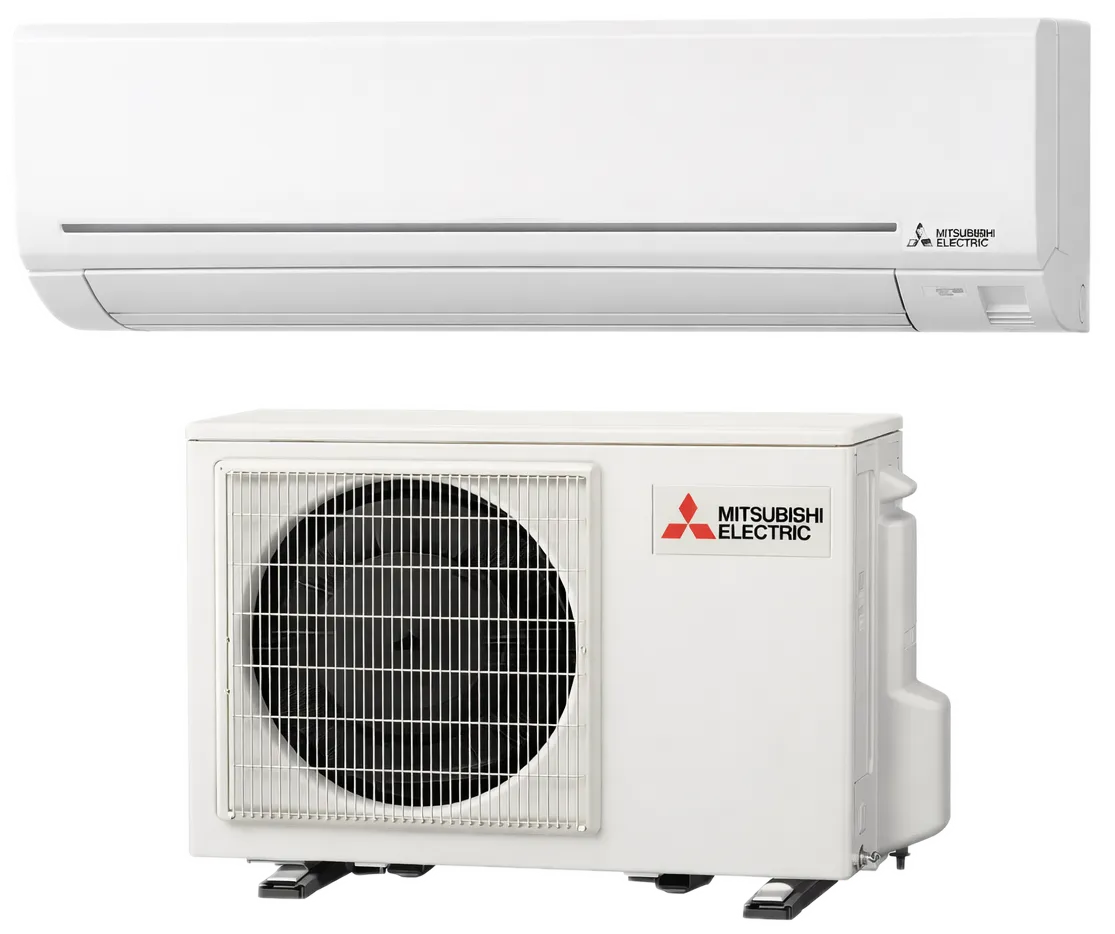
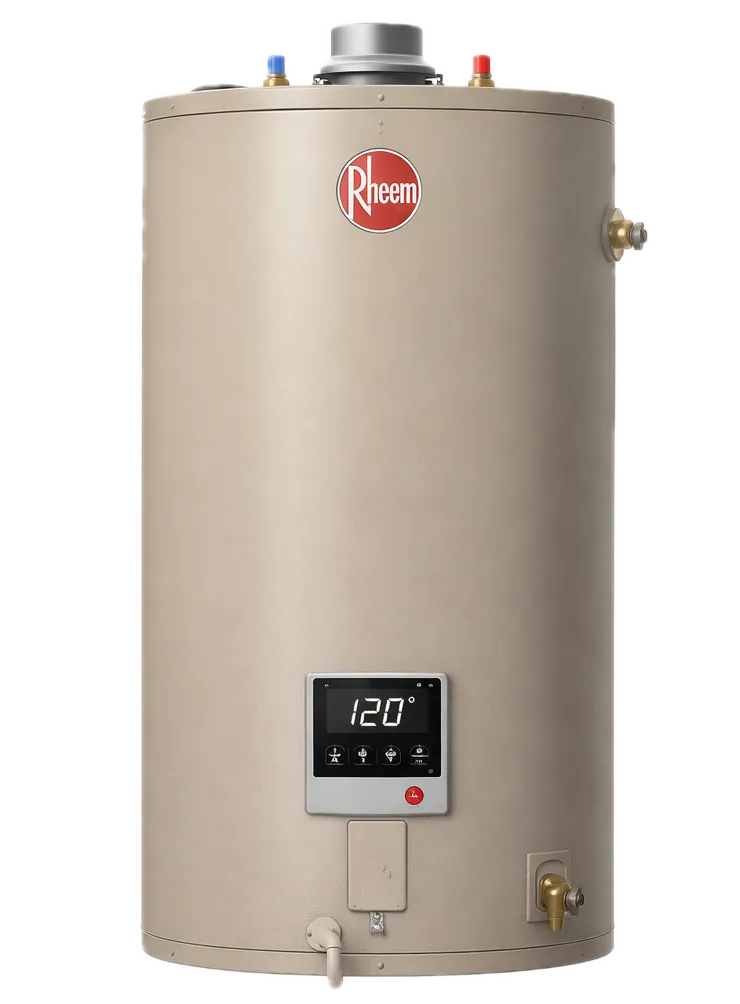
Featured Manufacturer
Related Blogs
Ductless Mini-Splits vs. Central Air for Cooling Historic Bremerton Homes
Navigating Silverdale Permitting for Late-Summer Generator Installations