Home > Blog >

Don't Get Into Hot Water Choosing Your Next Heater

Don't Get Into Hot Water Choosing Your Next Heater

Don't Get Into Hot Water Choosing Your Next Heater

Water Heater Options and How to Choose the Right One Before You're Stuck in the Cold

Water heater options and how to choose the best one for your home is something most homeowners don't think about — until they're standing in a cold shower at 6 a.m. wondering what went wrong. That's exactly the worst time to make a major home decision.

Here's a quick look at the main water heater types to help you compare at a glance:

TypeBest ForEfficiencyKey Consideration
Storage TankMost householdsModerateLower upfront cost, standby heat loss
Tankless (On-Demand)Small to large homes needing continuous hot waterHighHigher upfront cost, space-saving
Heat Pump (Hybrid)Energy-conscious homeownersVery High (2-4x standard electric)Needs adequate space, warmer install area
SolarSunny climates with backup needsHighest potentialDependent on sunlight, higher install cost
IndirectHomes with existing boiler or furnaceHighLeverages existing heating system

Water heating is the second-largest energy expense in most American homes, accounting for roughly 18% of your monthly utility bill. That means the wrong choice — whether it's the wrong type, wrong size, or a rushed emergency purchase — can quietly cost you hundreds of dollars every year without you even realizing it.

The good news? Taking a little time now to understand your options puts you firmly in control. Whether you're replacing an aging unit or planning ahead, knowing what's available means you can choose based on your household's needs, your home's infrastructure, and your long-term budget — not just what's available at the last minute.

I'm Ernie Bogue, co-owner of West Sound Comfort Systems, and with more than three decades in the plumbing and hydronic heating trades, I've helped countless Pacific Northwest homeowners navigate water heater options and how to choose the right fit for their home and lifestyle. Let's walk through everything you need to know so you can make a confident, informed decision.

Infographic showing water heater types, efficiency ratings, and energy impact on household utility bills - water heater

Exploring Your Water Heater Options and How to Choose the Right Type

When you start looking at a Water Heater Replacement, you’ll find that the industry has evolved significantly over the last decade. In April 2026, we have more choices than ever, driven by stricter Department of Energy standards and a push for home electrification.

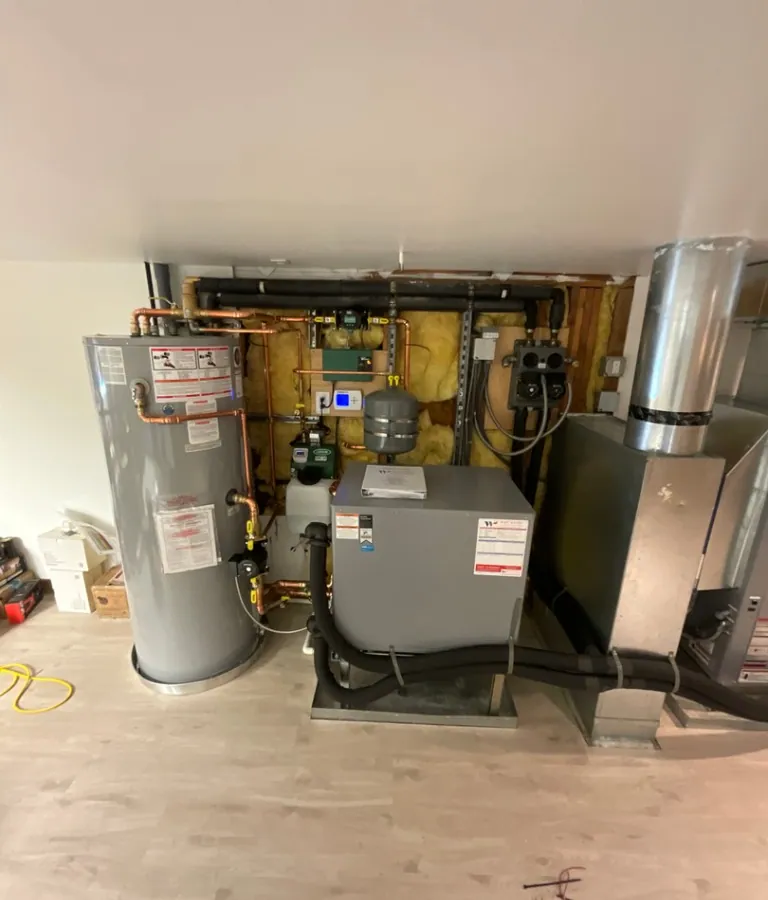
Conventional Storage Tank Water Heaters

These are the "trusty workhorses" found in the majority of homes across the Olympic Peninsula. They keep a reservoir of water (typically 30 to 80 gallons) heated and ready for use.

  • Pros: Lower initial purchase price and a simple design that is easy to service.
  • Cons: They suffer from "standby heat loss," meaning the unit uses energy to keep water hot even when you aren't using it. If you drain the tank with back-to-back showers, you have to wait for the "recovery period" to get more hot water.

Hybrid (Heat Pump) Water Heaters

Think of these as a refrigerator running in reverse. Instead of generating heat directly through an electric element, they pull heat from the surrounding air and transfer it into the water. They are incredibly efficient—often 2 to 4 times more efficient than a standard electric tank. We often recommend these for homes in places like Port Angeles or Bremerton where homeowners want to slash their carbon footprint.

Solar Water Heaters

These use roof-mounted collectors to absorb the sun's energy. While we do see some of these in the sunnier pockets of the rain shadow like Sequim, they almost always require a backup gas or electric system for our cloudy winter months.

Indirect Water Heaters

If your home uses a boiler for radiant floor heating or baseboard heat, an indirect heater is a fantastic option. It uses the main boiler to heat a fluid that circulates through a heat exchanger in the water storage tank. It's an "integrated" approach that can be very cost-effective during the heating season.

Understanding Tankless Water Heater Options and How to Choose for High Demand

If you’ve ever been the last person in line for a shower and ended up with a lukewarm trickle, a tankless system might be your best friend. Often called "on-demand" heaters, these units don't store water at all. Instead, they use high-powered burners or electric elements to flash-heat water as it flows through the unit.

For homeowners considering Water Heater Installation & Replacement Poulsbo WA, tankless units offer a few "lifestyle" upgrades:

  1. Endless Hot Water: As long as there is fuel (gas or electricity), the hot water will keep flowing. You could theoretically shower for three hours and never run out.
  2. Space Savings: These units are roughly the size of a carry-on suitcase and are mounted on the wall. This frees up valuable floor space in small closets or utility rooms.
  3. Longevity: While a standard tank might last 10 to 15 years, a well-maintained tankless unit can easily reach 20 years or more.

The key to choosing a tankless model is understanding Flow Rate, measured in Gallons Per Minute (GPM). If you want to run the dishwasher, the washing machine, and take a shower at the same time, you need a unit with a high enough GPM to handle that simultaneous demand. In our colder PNW climate, the incoming groundwater is chilly, so the heater has to work harder to reach your target temperature, which can slightly lower the effective GPM.

Why Heat Pump Water Heaters are the Top Choice in 2026

As we move through 2026, Heat Pump Water Heaters (HPWH) have become the gold standard for efficiency. They are the only electric option that can compete with (and beat) the operating costs of natural gas.

When looking at Water Heater Installation & Replacement Bainbridge Island WA, many of our clients are choosing these hybrid models for their high Uniform Energy Factor (UEF). While a standard electric tank might have a UEF around 0.90 to 0.95, a heat pump model can soar as high as 3.5 to 4.0. That essentially means for every dollar of electricity you put in, you get four dollars worth of heat out.

The "Hidden" Benefit: Dehumidification

Because heat pumps pull heat from the air, they naturally dehumidify the space where they are installed. For homes with damp basements or utility rooms in Port Ludlow or Kingston, this is a massive bonus. It helps keep the air crisp and dry, preventing that "musty" PNW basement smell.

Note: These units do require about 1,000 cubic feet of air space to operate efficiently (roughly the size of a small bedroom), or they need to be vented to another room.

Sizing and Fuel Sources: Matching Your Home’s Infrastructure

Before you fall in love with a specific model, we have to look at what your home can actually support. Switching fuel sources isn't impossible, but it does add complexity to the project.

Natural Gas and Propane

If you already have gas lines in your home, staying with gas is often the easiest path. Gas units generally have a faster "recovery rate" than electric tanks, meaning they can heat a full tank of cold water much quicker. However, they do require proper venting to safely move combustion gases out of the home.

Electricity

Electric water heaters are found in many rural areas of the Olympic Peninsula where natural gas isn't available. Standard tanks are cheap to buy but the most expensive to run. If you are looking at Water Heater Installation & Replacement Sequim WA and want to stay electric, we highly recommend the heat pump route to save on those long-term utility bills.

Electrical Panel Capacity

Upgrading to a high-efficiency electric unit or a tankless electric model may require a panel upgrade. Most tankless electric units require a massive amount of amperage—sometimes more than the rest of your house combined! This is why gas-powered tankless units are much more common in our region.

Determining Capacity: Water Heater Options and How to Choose for Your Family Size

Sizing a water heater isn't just about how many gallons the tank holds; it's about how much hot water it can deliver during your busiest hour of the day. This is known as the First-Hour Rating (FHR).

If you’re researching Water Heater Installation & Replacement Port Orchard WA, use these general guidelines for a storage tank:

  • 1–2 People: 30–40 gallons
  • 2–3 People: 40–50 gallons
  • 3–4 People: 50–60 gallons
  • 5+ People: 80 gallons or a high-recovery tankless unit

Calculating Peak Demand

Think about your "Morning Rush." If two people are showering while the dishwasher is running, you are likely using about 4 to 6 gallons of hot water per minute.

  • Tankless Sizing: You choose based on GPM. A 7.5 GPM unit can usually handle two showers and a sink at the same time.
  • Tank Sizing: You choose based on FHR. If your family needs 70 gallons of water in that first hour, a 50-gallon tank with a high recovery rate might be enough, or you might need to jump to a larger 75-gallon unit.

Efficiency, Maintenance, and Long-Term Performance

Once your new heater is installed, the goal is to make it last as long as possible. Water heaters are the second-most energy-hungry appliance in your home, so keeping them running at peak efficiency is vital.

The Importance of the Anode Rod

Inside every steel tank is a "sacrificial" anode rod. Its only job is to attract corrosive elements in the water so they eat the rod instead of the tank. Once that rod is gone, the tank starts to rust. Checking this rod every 3 to 5 years can double the life of your heater.

Flushing and Descaling

Over time, minerals in our local water (like calcium and magnesium) settle at the bottom of the tank, forming a layer of "sediment." This sediment acts as an insulator, making the burner work harder to heat the water through the gunk. We recommend an annual flush to keep the tank clear. For tankless units, we perform a "descale" flush to keep the tiny heat exchanger from clogging up.

You can find more detailed tips in our Water Heater Repair Guide Poulsbo WA to help you spot early warning signs of failure.

Smart Features and Safety Innovations

The "Internet of Things" has finally reached the utility closet. Modern water heater options and how to choose between them now include looking at digital "brain" features.

For those looking into Water Heater Installation & Replacement Gig Harbor WA, here are the features we see most often:

  • Wi-Fi Connectivity: This allows you to set "Away Modes" from your phone. If you're heading out for a weekend in the mountains, you can drop the heater to a lower temperature and save money, then turn it back up before you get home.
  • Leak Detection & Auto Shut-off: Some units now come with built-in sensors. If the unit detects water on the floor, it can automatically shut off the incoming water supply, preventing a flooded basement.
  • Mixing Valves: These allow you to keep the water in the tank at a very high temperature (to kill bacteria and increase effective capacity) while mixing it with cold water at the outlet so it doesn't scald you at the tap.

Frequently Asked Questions about Water Heaters

When should I replace my water heater before it fails?

The average lifespan of a tank water heater is 10 to 12 years. If your unit is over a decade old, shows signs of rust around the base, or makes "popping" noises (the sound of steam bubbles exploding through sediment), it's time to start shopping. Replacing it proactively prevents the "emergency Sunday night flood" scenario.

Are tankless water heaters better for large families?

They can be, but it depends on how you use water. If your family takes back-to-back showers, tankless is amazing because it never runs out. However, if three people try to shower at the exact same second, a tankless unit might struggle to provide enough flow unless it's a very large, high-GPM model.

How much energy can I save with a heat pump water heater?

On average, a family of four can save hundreds of dollars a year by switching from a standard electric tank to a heat pump model. Since they are roughly 70% more efficient than standard electric models, the unit often pays for itself through utility savings within just a few years.

Conclusion

Choosing a new water heater doesn't have to be a high-pressure ordeal. By understanding the different water heater options and how to choose based on your family's unique habits, you can ensure your home stays comfortable for the next decade and beyond.

At West Sound Comfort, we pride ourselves on being more than just installers. We are your neighbors. Whether you are in Belfair, Indianola, or Longbranch, our team brings over 30 years of experience to every job. We don't just "swap tanks"—we evaluate your venting, your electrical capacity, and your water usage to ensure you get the perfect fit. Plus, with our 5-year warranty on parts and labor, you can rest easy knowing we stand behind our work.

Don't wait for a leak to make the decision for you. If you're curious about an upgrade, reach out for a professional consultation for Water Heater Installation & Replacement Silverdale WA. We'll help you find the right balance of upfront cost and long-term savings so you can get back to enjoying your hot showers—guilt-free.

Trusted by Your Neighbors

With a 95% repeat and referral rate, our reputation speaks for itself. Here’s what customers have to say.
star iconstar iconstar iconstar iconstar icon
We have used WSCS for years... The company is well run and their technicians have always provided great, timely service... WSCS had the most competitive price given their guarantees and scope of service. We look forward to continuing to work with WSCS.
Susan Lusk
star iconstar iconstar iconstar iconstar icon
Such fast, professional service. I had a complicated issue with my radiant heat system and West Sound Comfort Systems came to the rescue! I am going to recommend them to all of my neighbors." -
Susan Lusk
star iconstar iconstar iconstar iconstar icon
We have used WSCS for years... The company is well run and their technicians have always provided great, timely service... WSCS had the most competitive price given their guarantees and scope of service. We look forward to continuing to work with WSCS.
Susan Lusk
star iconstar iconstar iconstar iconstar icon
We have used WSCS for years... The company is well run and their technicians have always provided great, timely service... WSCS had the most competitive price given their guarantees and scope of service. We look forward to continuing to work with WSCS.
Susan Lusk
ArrowUpRight
ArrowUpRight

Featured Manufacturer

We proudly install industry-leading equipment from Navien, Mitsubishi, and Rheem to give homeowners dependable comfort and long-term value. From Navien’s advanced boiler and tankless water heater technology, to Mitsubishi’s ultra-efficient ductless systems, and Rheem’s proven, long-lasting tank water heaters, we choose brands known for performance, efficiency, and reliability—so you can feel confident in your investment and comfortable in your home year-round.
Two Navien tankless water heaters side by side, one with closed cover, one with open cover showing internal pipes and digital control panel.Mitsubishi Electric white wall-mounted indoor air conditioner unit and outdoor compressor unit.Rheem beige water heater with digital display showing 120 degrees.